
Texas Temperature Swings: Why Small Roof Issues Turn Into Major Failures
Most commercial roof failures in Texas don’t occur at the moment of a storm. They occur after rapid shifts in temperature and moisture exposure. Texas roofs are subjected to frequent freeze–thaw cycles, sudden cold snaps, and heavy rainfall that place repeated stress on seams, membranes, flashing, and drainage areas. Minor defects that appeared stable during warmer conditions can escalate rapidly when moisture freezes, expands, and then thaws again.
In Texas, roof failures often feel sudden—not because they were unpredictable, but because the stress accumulated faster than expected.
Why Roof Failures in Texas Are Different
Texas roofs operate in a unique environment.
Unlike northern regions where buildings experience regular freeze–thaw cycles, Texas sees infrequent but often severe weather shifts. Roofing systems here aren’t conditioned for repeated cold stress, sudden freezes, or prolonged ponding during cooler temperatures.
When those conditions arrive, roof systems respond quickly—and not always favorably.
Small, overlooked issues that posed little risk during warmer months can escalate rapidly once temperatures drop or drainage slows.
Why Texas Weather Creates Unique Roof Stress
Roof damage related to cold weather is driven less by temperature alone and more by the number of freeze–thaw cycles a roof experiences. Every time trapped moisture freezes and then thaws, it places stress on seams, membranes, flashing, and drainage areas.
In colder climates, temperatures often drop and stay cold for extended periods. Moisture may freeze once and remain frozen for much of the winter, limiting how many expansion cycles occur.
Texas behaves differently. Cold events are shorter and more volatile. It’s common to see freezing temperatures followed by warm weather within days—or even within the same week. Each swing forces moisture to freeze, thaw, and refreeze again.
If a roof seam can withstand a limited number of freeze–thaw cycles before failing, those cycles tend to accumulate much faster in Texas than in consistently cold climates. What might take years to develop elsewhere can happen in a single season here.
That combination matters.
Instead of gradual wear, materials, seams, flashing, and drains are subjected to repeated expansion and contraction in a short window of time. Damage often develops quietly and then appears suddenly.
Less frequent cold events don’t reduce risk. In many cases, they increase it.
The #1 Hidden Issue: Moisture Trapped in Cracks & Seams

One of the most common causes of post-storm roof failures is moisture intrusion at minor defect points.
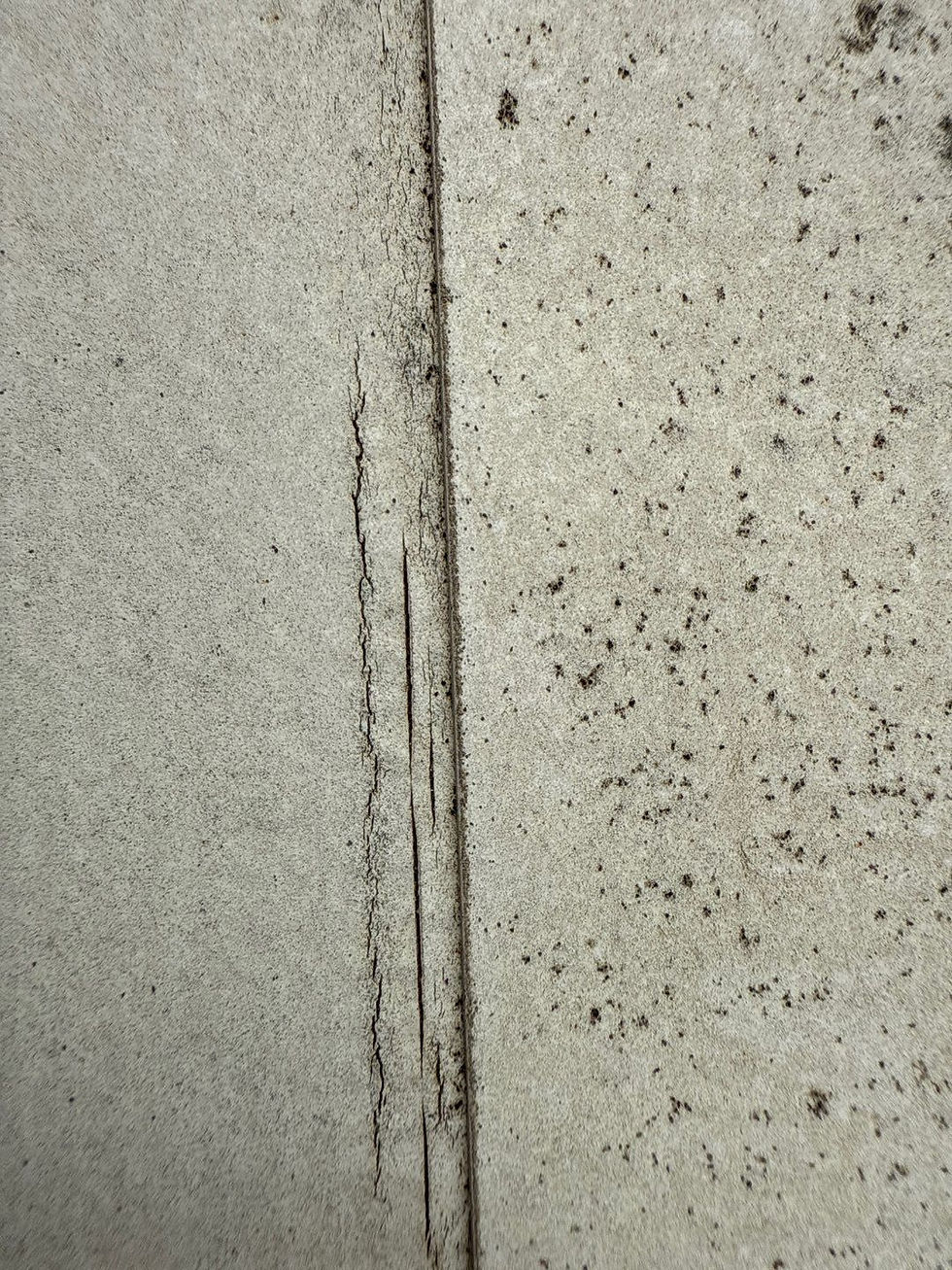
Hairline cracks, aging seams, and worn transitions can allow small amounts of moisture to enter the system. These areas often appear stable during routine walk-throughs and may not show obvious signs of failure.
When temperatures drop, trapped moisture freezes and expands.
This is why many cold-weather leaks in Texas don’t start as storms — they start as temperature swings.

That expansion forces seams apart, widens cracks, and turns what was once a minor imperfection into an open failure point. What looked fine weeks earlier can suddenly become an active leak.
Freeze expansion doesn’t only create new problems—it magnifies existing ones.
--------------------------------
Not Sure If Your Roof Is at Risk?
Get a planning-level estimate based on your building—no sales call required.
Prefer a professional review?
--------------------------------
Roof Drains, Debris, and the Weight of Ponding Water
Drainage issues are another major contributor to cold-weather roof failures.
Leaves, dirt, and debris often collect unnoticed in roof drains and internal gutters. In many cases, water still drains—just more slowly than it should.
Until temperatures drop.
When water freezes inside a partially blocked drain, it acts like a plug. Water backs up quickly, and the roof begins to hold water instead of shedding it.


Ponding water introduces multiple risks:
Added structural load
Deck stress and deflection
Increased pressure on seams, flashing, and penetrations
A higher likelihood of sudden interior leaks
You don’t need extreme conditions for problems to develop—just water that has nowhere to go.
Ponding Water Accelerates Roof Deterioration
Ponding water is already one of the leading stressors on flat commercial roof systems. When cooler temperatures enter the equation, the impact increases.
Cold conditions slow evaporation, meaning water remains on the roof longer. Repeated temperature swings cause that water to freeze and thaw, accelerating membrane fatigue.
Over time, seams loosen, flashing separates, and penetrations become vulnerable. Systems that might have lasted years longer under dry conditions can deteriorate rapidly when ponding and cold overlap.
Why Many Roof Failures Appear “Sudden”
Property owners often describe post-storm leaks as unexpected.
“The roof was fine last month.”“We never had a problem before this.”
In most cases, the roof didn’t fail suddenly. The conditions for failure were already present.
Weather events simply expose existing vulnerabilities. When stress is applied, weak points reveal themselves quickly—often in ways that feel abrupt but were actually developing over time.
What a Pre-Storm Roof Check Evaluates
A proper pre-storm roof check focuses on functional risk areas—not cosmetic issues.
Key evaluation points include:
Roof drains and internal gutter conditions
Areas prone to ponding water
Seams, laps, and transitions
Flashing around curbs, penetrations, and roof edges
Early signs of moisture intrusion or membrane fatigue
This type of evaluation is preventative by design. It’s intended to identify vulnerabilities before weather conditions amplify them—not to push unnecessary replacements.
The Advantage of Planning Ahead
Identifying roof issues early allows owners to stay in control.
Pre-storm planning makes it possible to:
Address small problems before they escalate
Schedule repairs instead of reacting to emergencies
Reduce interior disruption and downtime
Maintain predictable costs and timelines
Planning gives owners options. Reaction rarely does.
Planned Maintenance vs Emergency Response
There’s a clear difference between planned maintenance and emergency response.
Planned repairs are controlled.Emergency leaks require immediate action.
Emergency situations often involve faster mobilization, higher disruption, and greater risk of interior damage. They also limit decision-making, forcing action instead of allowing strategy.
Most building owners prefer planning—when they’re given the opportunity.
Using an Instant Roof Estimator for Planning
Instant roof estimators can be a useful planning tool when used correctly.
They provide budgetary cost ranges, not pressure or commitments. Owners often use estimators to:
Compare maintenance, repair, and restoration options
Understand cost ranges before scheduling inspections
Support budgeting and capital planning
Final pricing always requires on-site verification, but early clarity helps eliminate surprises later.
What to Do If You Have an Active Leak
Active leaks are different from preventative evaluations.
If water is entering the building now, immediate response is necessary. Emergency services are available to stabilize the situation and prevent further damage.
In those cases, calling us at 903-368-8684 and selecting the emergency option ensures rapid response.
Final Takeaway: Prevention Beats Reaction
Texas weather doesn’t usually create roof problems—it reveals them.
Small issues left unaddressed can become major failures when conditions change. Pre-storm roof checks reduce uncertainty, protect interiors, and give owners control over timing and cost.
Planning consistently outperforms panic. Every time.
Before small issues become expensive surprises, get clarity.
Frequently Asked Questions
Is my roof really fine if it isn’t leaking right now?
Not always. Many roof problems begin as small cracks, seams, or punctures that hold moisture without showing visible leaks. When temperatures drop, that trapped moisture can expand and turn a minor issue into a larger failure.
Why do roof problems often appear after cold weather?
Cold temperatures slow evaporation and cause moisture to freeze and expand. This added stress can open seams, enlarge small defects, and expose weaknesses that were already present.
Can ponding water actually damage a commercial roof?
Yes. Ponding water increases weight on the roof system and allows moisture more time to work into seams and surface imperfections. When freezing occurs, deterioration can accelerate.
If my roof was inspected before, why would issues still develop?
Roof conditions change over time. Debris buildup, material aging, and repeated weather exposure can create new vulnerabilities even after a previous inspection showed no major concerns.
How can I understand roof cost and risk without committing to a full inspection?
A planning-level roof cost estimate can help outline potential ranges for maintenance, repair, or restoration. This allows owners to evaluate options and budget before issues become urgent.
When is the best time to take action on roof concerns?
Before problems become emergencies. Planning ahead provides more options, less disruption, and better cost control than reacting after active damage occurs.
Comments